
Your driveway is one of the first things people notice about your home. It frames your property, sets the tone for your curb appeal, and takes a beating every single day — from heavy vehicles to freeze-thaw cycles to the relentless summer sun. So when it starts to look tired, cracked, or downright embarrassing, it’s worth asking: Is it time to stop patching and start fresh?
At Arvern Iron Works, we’ve seen every kind of driveway wear and tear imaginable. Here’s what you need to know about recognizing the warning signs, weighing your options, and making the smartest investment for your home.
Why Driveways Deteriorate (And Why It’s Not Your Fault)
No driveway lasts forever. Even well-installed surfaces break down over time due to factors largely outside your control:
- Weather extremes — In many parts of the USA, repeated freezing and thawing cause the ground beneath your driveway to expand and contract, stressing the surface from below.
- Heavy loads — Delivery trucks, SUVs, and RVs all put pressure on surfaces not always designed for that weight.
- Water infiltration — Once water finds a way in, it weakens the base layer and accelerates cracking.
- Age — Most asphalt driveways last 20–30 years; concrete can last longer, but still shows its age.
- Tree roots — Roots growing beneath the surface can lift and crack even thick slabs.
Understanding why your driveway is failing helps you choose the right fix — not just a temporary cover-up.
Warning Signs: It’s Time to Stop Ignoring
1. Cracks in the Driveway
Small hairline cracks are normal and often harmless. But if you’re seeing wide cracks (anything over a quarter inch), spider-web cracking (called “alligator cracking”), or cracks that run the full width of the surface, those are red flags. These cracks in your driveway allow water, weeds, and ice to penetrate, making the problem worse with every passing season.
2. Potholes and Sinkholes
If the surface is actually collapsing or developing holes, patching alone won’t save it. Potholes indicate that the sub-base — the foundational layer beneath your driveway — has been compromised. A new surface on a bad base is just money wasted.
3. Drainage Problems
Standing water pooling on your driveway after rain isn’t just an inconvenience — it’s actively destroying your surface and can seep toward your foundation. If your paving driveway no longer channels water away effectively, it may have shifted or settled unevenly.
4. Fading, Staining, and General Ugliness
Sometimes the problem isn’t structural — it’s just aesthetic. Years of oil stains, tire marks, rust, and UV fading can make an otherwise sound driveway look neglected. If you’ve tried power washing and sealing and it still looks bad, it might be time for something new.
5. Edges Are Crumbling
The edges of a driveway take the most abuse from vehicles pulling in at angles. Crumbling edges are often the first sign that a surface is breaking down, and they tend to spread inward if left untreated.
Can You Just Fix It? Your Repair Options Explained
Not every driveway needs to be fully replaced. Here’s an honest breakdown of when repairs make sense — and when they don’t.
How to Fix Driveway Cracks (Minor Repairs)
If your driveway is relatively young and the damage is limited to surface cracks, crack filler or sealant can be a cost-effective solution. Concrete, polyurethane, or epoxy-based fillers work well. For asphalt, rubberized crack filler is the go-to choice.
This works best when:
- Cracks are narrow (less than ¼ inch wide)
- There are no potholes or base failures
- The overall surface is still in decent shape
Keep in mind: crack filling is a repair, not a restoration. It won’t make your driveway look new, and it won’t fix underlying structural issues.
How to Fix a Concrete Driveway (Resurfacing)
If you want to fix a concrete driveway that’s showing widespread surface damage but still has an intact base, resurfacing is a middle-ground option. A thin layer of new concrete or a concrete overlay is applied over the existing surface, giving it a fresh appearance.
This works best when:
- The base is structurally sound
- Damage is cosmetic or shallow
- You want to extend the life of your current driveway by several years
Resurfacing can also be an opportunity to add decorative finishes — stamped patterns, exposed aggregate, or colored concrete that gives your home a whole new look.
Full Replacement: When It’s the Only Real Answer
Sometimes, the honest answer is that no amount of patching will do the job. Full replacement is the right call when:
- There are widespread alligator cracks or potholes
- The base layer has failed
- The driveway is more than 20–25 years old
- Drainage issues can’t be corrected by surface repairs alone
- You want to upgrade to a completely different material
Yes, it’s a bigger investment — but it’s also the only solution that actually solves the problem rather than delaying it.
Choosing the Right Material for Your New Driveway
When it’s time to repave, you have more options than you might think. Here’s a quick comparison of the most popular choices in the USA:
Asphalt
The most common driveway surface in America for good reason. Asphalt is relatively affordable, quick to install, and holds up well in cold climates because it flexes slightly rather than cracking. It requires sealing every few years to maintain its appearance and longevity.
Best for: Homeowners who want a classic look at a reasonable cost.
Concrete
More expensive upfront than asphalt, but longer-lasting and lower maintenance. Concrete driveways can last 30–50 years with proper care. They’re also more versatile aesthetically — they can be stamped, stained, or textured to complement your home’s style.
Best for: Homeowners in warmer climates who want durability and design flexibility.
Driveway Brick Pavers
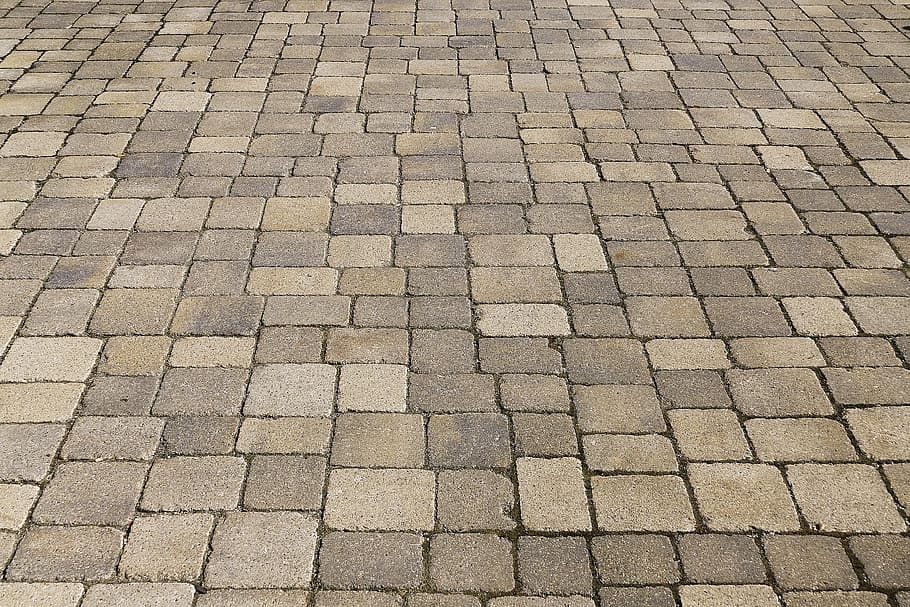
If you want to make a statement, driveway brick pavers are hard to beat. Pavers offer unmatched curb appeal, come in dozens of colors and patterns, and have the unique advantage of being individually replaceable — if one cracks, you swap it out rather than patching or resurfacing an entire section.
Brick and concrete pavers also allow water to drain between the joints, reducing runoff and standing water. They do require a properly prepared base and professional installation to prevent shifting over time.
Best for: Homeowners who want a premium, distinctive look and are willing to invest in long-term quality.
Gravel
The most affordable option, though it requires ongoing maintenance (raking, adding gravel periodically) and may not be permitted in all neighborhoods. It’s a great choice for long rural driveways.
Best for: Rural properties or secondary driveways where aesthetics are less of a priority.
The Cost of Waiting
Here’s something a lot of homeowners don’t realize: the longer you wait to address driveway problems, the more expensive the eventual fix becomes. A small crack that costs a few dollars to seal today can turn into a pothole that requires base repair and resurfacing tomorrow. Water that seeps through a crack this winter can undermine your foundation by spring.
Beyond the financial cost, there’s also the curb appeal factor. Your driveway makes up a significant portion of the visible exterior of your home. A cracked, stained, or sunken driveway quietly drags down the perceived value of your entire property — whether you’re planning to sell or simply want to feel proud of where you live.
What to Expect From a Professional Driveway Installation
Whether you’re resurfacing, patching, or doing a full replacement, hiring a professional makes a meaningful difference in the outcome. Here’s what the process typically looks like:
- Assessment — A professional evaluates the extent of the damage, the condition of the base, and your goals for the project.
- Removal (if needed) — Old material is broken up and hauled away, and the base is inspected and repaired as necessary.
- Base preparation — A stable, well-compacted base is the foundation of any long-lasting driveway. This step is often where DIY projects fall short.
- Installation — New material is laid, graded for proper drainage, and finished to your specification.
- Curing and sealing — Depending on the material, the surface may need time to cure before use, and an initial sealer may be applied.
A well-installed driveway done right the first time will outlast a cheaper or rushed job by decades.
Ready to Transform Your Driveway?
Whether you’re dealing with stubborn cracks in your driveway, a concrete surface that’s seen better days, or you’re simply ready to upgrade to beautiful driveway brick pavers, the team at Arvern Iron Works is here to help.
We bring craftsmanship, experience, and genuine care to every project — because your home deserves better than a quick patch job. Reach out today to discuss your driveway options and get a professional assessment of what your property truly needs.
Your driveway is the first impression your home makes. Make it a good one.