
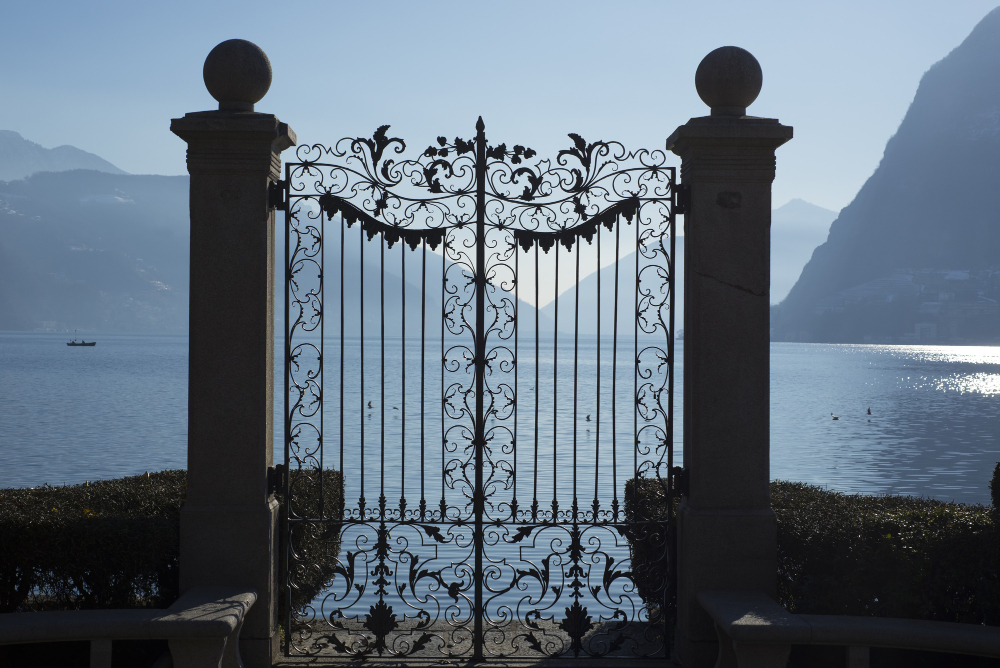
I still remember the day I stood in front of my house and realized the front door was letting me down. It was warped, drafty, and honestly — embarrassing. A neighbor had just installed a gorgeous wrought iron entry door, and I couldn’t stop staring at it every time I pulled into the driveway. That’s when I started my deep dive into the world of metal entry doors, and let me tell you, it changed the way I think about curb appeal, home security, and long-term value.
If you’re reading this, chances are you’re in a similar spot — ready to upgrade but not sure where to start. I’ve been there. So grab a coffee and let me walk you through everything I learned along the way.
Why Metal Entry Doors? A Decision I Don’t Regret
Before I even started comparing styles and prices, I had to ask myself: why metal? I’d heard good things, but I wanted to be sure.
Here’s what sealed the deal for me:
- Durability: Unlike wood, metal doesn’t warp, crack, or swell with moisture. It stands up to harsh weather, year after year.
- Security: Metal entry doors are significantly harder to kick in or break through. That peace of mind is priceless.
- Low Maintenance: No sanding, no repainting every two years. A quick wipe-down is usually all it takes.
- Energy Efficiency: Many modern metal doors come with insulated cores that keep your home warmer in winter and cooler in summer.
- Curb Appeal: This one surprised me most. A well-chosen metal door completely transforms the face of your home.
Once I made the decision to go metal, the next step was figuring out what kind of metal door was right for me.
Understanding Your Options: Types of Metal Entry Doors
Not all metal doors are created equal. During my research, I discovered three main types, each with its own personality and purpose.
1. Steel Entry Doors
Steel is the most common and budget-friendly option. It’s tough, secure, and comes in a huge range of styles. If you want solid protection without breaking the bank, steel is a great place to start. The downside? It can dent and may rust over time if the finish is compromised — so the quality of finish really matters.
2. Entry Doors Wrought Iron
This is where things get beautiful. Wrought iron entry doors are the crown jewel of metal doors. They’re forged and worked by hand (or with expert machinery), which means every door has a level of craftsmanship and character you simply can’t get from a factory-stamped steel slab.
When I visited Arvern Iron Works for the first time, I was blown away by their wrought iron collection. The intricate scrollwork, the weight of the door when you swing it open, the way light plays through the glass panels — it felt like installing a piece of art on my house. These doors are an investment, but they pay off in both aesthetics and longevity.
Best for: Homeowners who want elegance, individuality, and don’t mind investing in craftsmanship.
3. Entry Doors Iron (Cast & Composite Iron Styles)
Beyond wrought iron, there are also entry doors with iron styles that incorporate cast iron elements or iron-inspired composite designs. These can be a great middle ground — offering the visual richness of iron work at a slightly lower price point, often with added flexibility in design.
If you love the iron aesthetic but want something a little more customizable or lightweight, this category is worth exploring.
Key Factors to Consider Before You Buy
Once you know the type of door you want, there are a handful of practical things you need to think through. I wish someone had handed me this checklist before I started shopping.
Your Home’s Architectural Style
This might sound obvious, but it’s easy to fall in love with a door that just doesn’t belong on your house. A heavy wrought iron door with Gothic arch details looks stunning on a Mediterranean or Spanish Colonial home — but might feel out of place on a modern farmhouse. Take a step back and look at your home’s lines, colors, and overall vibe before you commit.
At Arvern Iron Works, the design consultants actually walked me through which door profiles pair best with different architectural styles. That kind of guidance is invaluable.
Size and Configuration
Standard door sizes exist, but your opening might not be standard — especially in older homes. Measure carefully: width, height, and depth of the frame. Also consider whether you want:
- A single door
- Double doors (French-style)
- A door with sidelights (narrow glass panels on either side)
- A door with a transom window above
Each configuration changes the feel of your entryway dramatically.
Glass Panels: Yes or No?
This is one of the most personal decisions in the process. Glass panels let in natural light and create a more open, welcoming feel. But they also raise questions about privacy and security. The good news? Modern security glass options — like tempered or laminated glass — are extremely difficult to break. And for privacy, you can opt for frosted, textured, or decorative glass that lets light in without letting strangers look in.
My wrought-iron door from Arvern Iron Works features a stunning geometric glass insert, and it has absolutely transformed my entryway. Morning light comes in beautifully — and from the outside, it looks elegant without being transparent.
Hardware and Finish
Hardware is the jewelry of your door. Don’t neglect it. A gorgeous iron door with a cheap brass handle looks off. Think about:
- Handlesets and locks: Match the finish to your door’s tone (matte black, oil-rubbed bronze, antique iron).
- Hinges: Heavy metal doors need heavy-duty hinges. Don’t skimp here.
- Kickplate: Adds a layer of protection at the base and looks great, too.
- Door knocker: Optional, but on a wrought iron door? Absolutely worth it.
Insulation and Energy Efficiency
If you live somewhere with real winters (or scorching summers), insulation matters. Look for doors with a polyurethane foam core — they dramatically reduce heat transfer. Also, check the weatherstripping around the frame. A beautiful door with poor sealing is still a drafty door.
Don’t Forget the Basement: Entry Door Ideas for Below-Grade Spaces
Here’s something a lot of people overlook: the basement entry door. It’s not the most glamorous topic, but if you have a walk-out basement or a below-grade entry, it deserves just as much attention as your front door.
Some basement entry door ideas worth considering:
- Steel bilco-style doors: Durable, functional, and designed to handle the unique challenges of below-grade exposure (moisture, soil contact, heavy use).
- Metal half-lite doors: If your basement opens to a patio or backyard living space, a half-lite metal door provides a functional entry with a nicer finish.
- Iron-accented doors: For walk-out basements that are essentially secondary entrances to your living space, a door with iron detailing ties the look of the home together.
- Painted steel with a wood look: Some homeowners want the warmth of wood but the toughness of steel — modern finishes can achieve that beautifully.
Whatever you choose, make sure the basement door is properly sealed, galvanized if needed, and hung on a reinforced frame. Water intrusion around below-grade doors is one of the most common (and costly) home issues.
The Arvern Iron Works Difference
I’d be doing you a disservice if I didn’t talk about why I ultimately chose Arvern Iron Works for my door.
There are plenty of places that sell metal doors. Not all of them understand iron the way Arvern does. What set them apart for me:
- True craftsmanship: Every wrought iron door is built with attention to detail that you can see and feel.
- Custom options: Want a specific size, design, glass pattern, or finish? They work with you — not just hand you a catalog.
- Expert guidance: From my first consultation to installation, I never felt like I was on my own trying to figure things out.
- Longevity: The doors are built to last decades, not years. That’s what a real investment looks like.
If you’re serious about upgrading your entry — whether it’s your front door, back door, or even your basement entry — I’d strongly encourage you to reach out to Arvern Iron Works and see what they can do for your home.
My Final Advice: Take Your Time, Trust Your Gut
Choosing the perfect metal entry door isn’t something you want to rush. It’s a long-term decision that affects how your home looks, how secure it is, and how you feel every single time you walk through it.
Here’s my simplified checklist before you pull the trigger:
- Decide on your door type — steel, wrought iron, or iron-inspired composite.
- Match the style to your home’s architecture.
- Measure your opening carefully and decide on your configuration.
- Choose glass or no glass based on your privacy and light preferences.
- Pick hardware that completes the look.
- Verify insulation specs if energy efficiency matters to you.
- Don’t forget the basement if you have a below-grade entry.
- Work with a trusted brand like Arvern Iron Works that stands behind its craftsmanship.
The day my new wrought iron door went in, I stood outside on the sidewalk for a full ten minutes just admiring it. My neighbor — the one who inspired this whole journey — walked over and asked where I got it.
Best feeling ever.